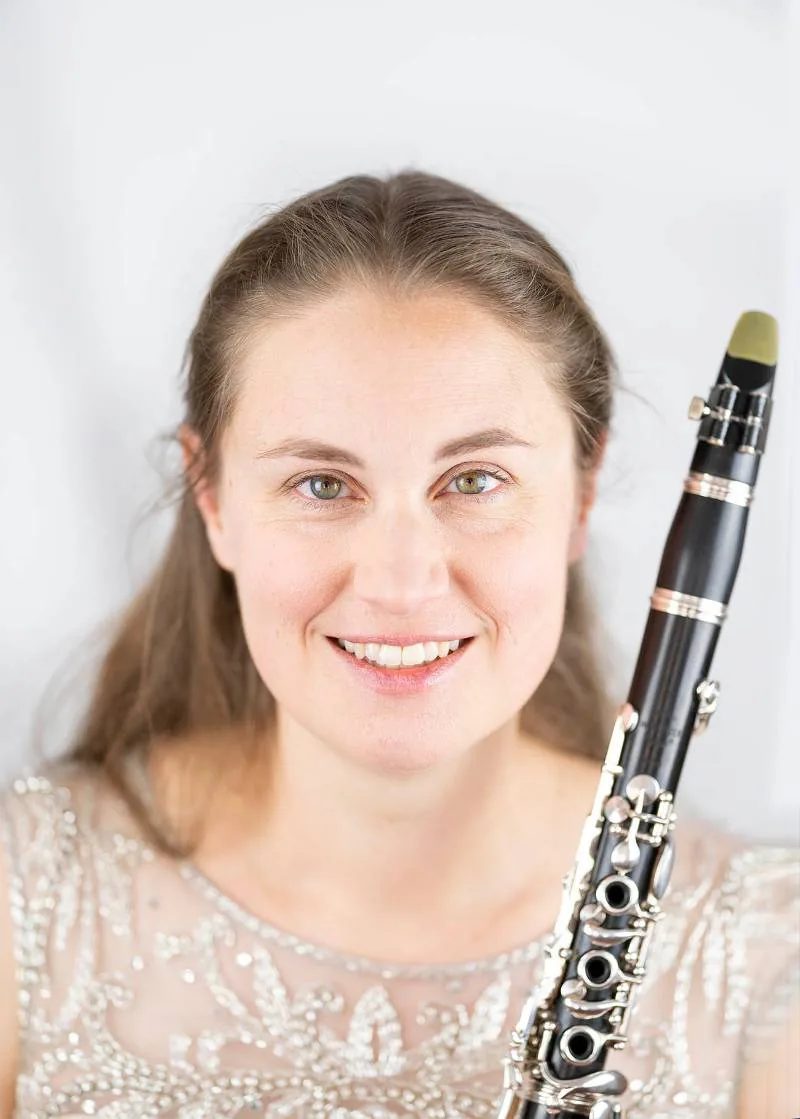
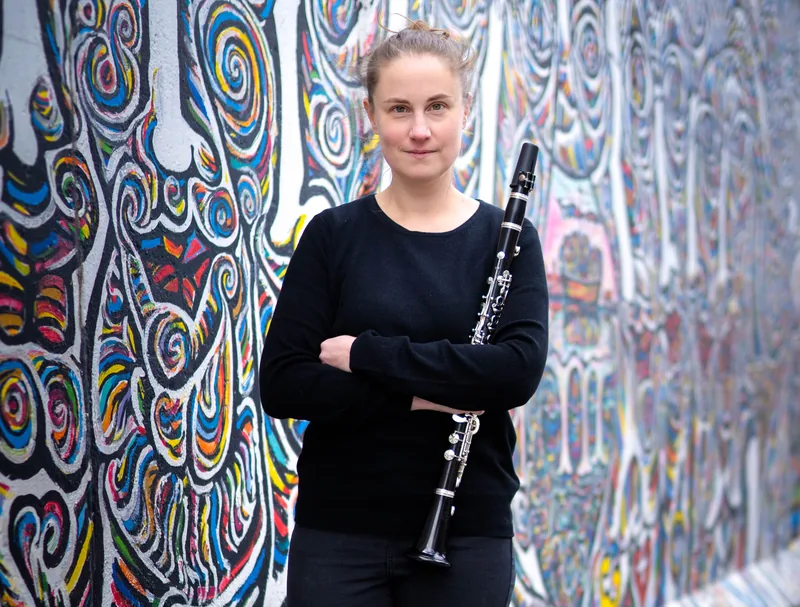
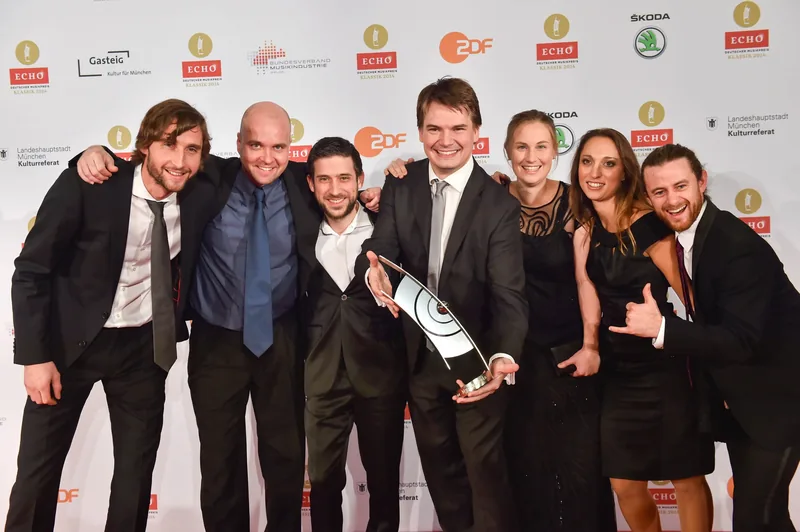
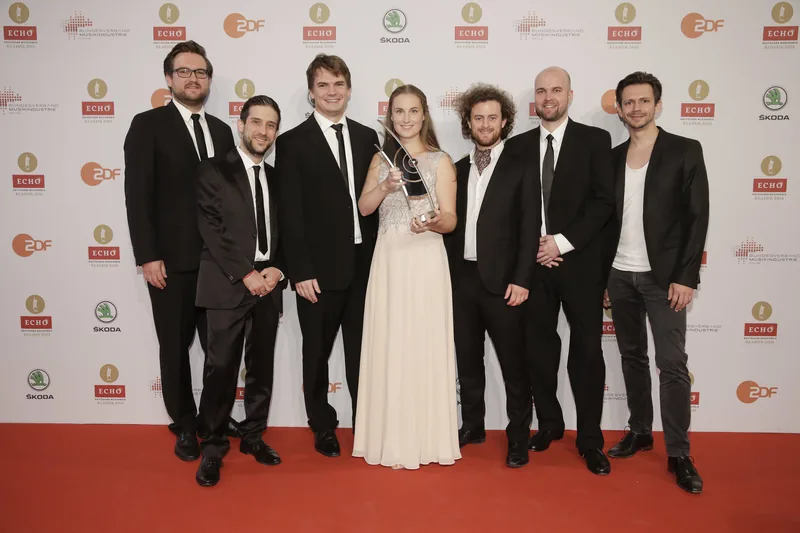
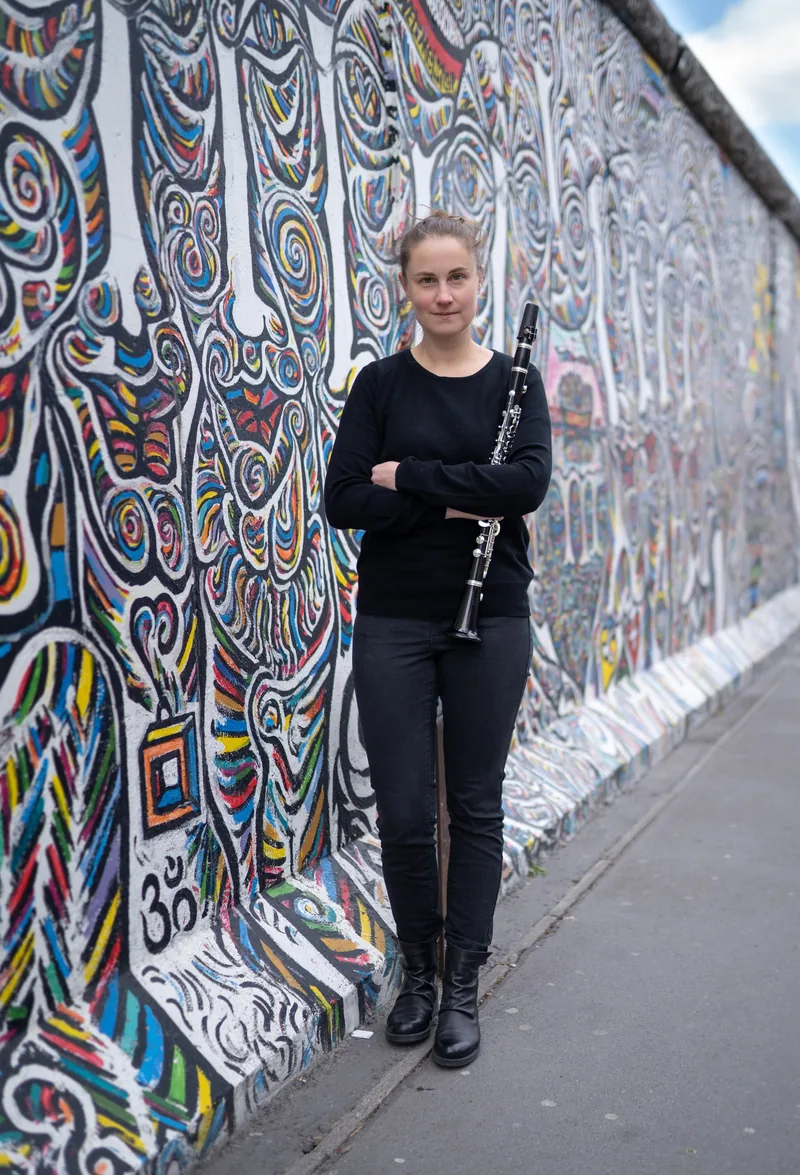
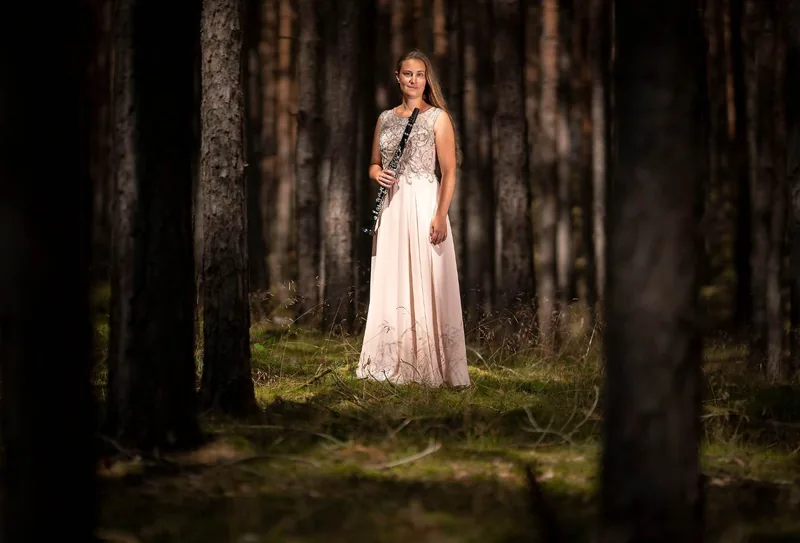
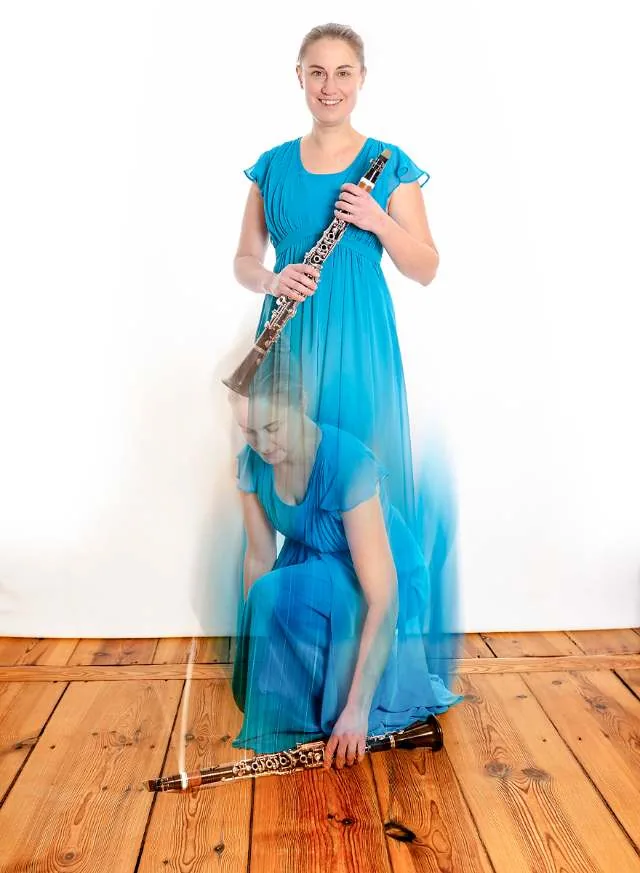
Friederike Roth is one of the most distinctive clarinettists of her generation in Germany. With the Berolina Ensemble, which she directs, she has released numerous premiere recordings – honoured with two ECHO Klassik awards and the OPUS Klassik. She also appears as a soloist and plays with symphony and opera orchestras.
Friederike Roth is one of the most distinctive clarinettists of her generation in Germany. She appears as a soloist, directs the Berolina Ensemble and performs with various symphony and opera orchestras.
She trained with Ralph Manno, François Benda, Karl-Heinz Steffens and Karl Leister and complemented her concert diploma with a master's degree in chamber music under Eberhard Feltz. She gained orchestral experience early: while still at school she was a member of the National Youth Orchestra of Germany.
Competition successes came early: in 1998 first prize at the Karel Kunc Competition in a duo with piano, in 2000 first federal prize at “Jugend musiziert” in the solo category, and in 2008 the special prize of the Mozart Society Wiesbaden.
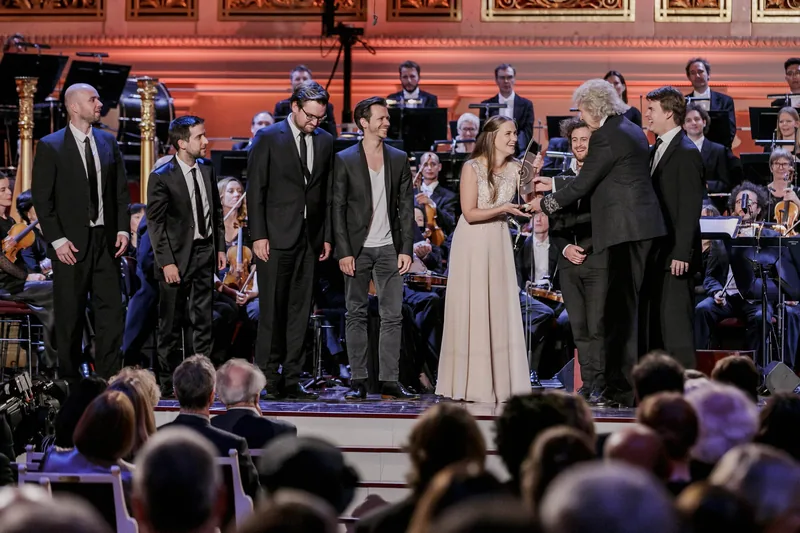
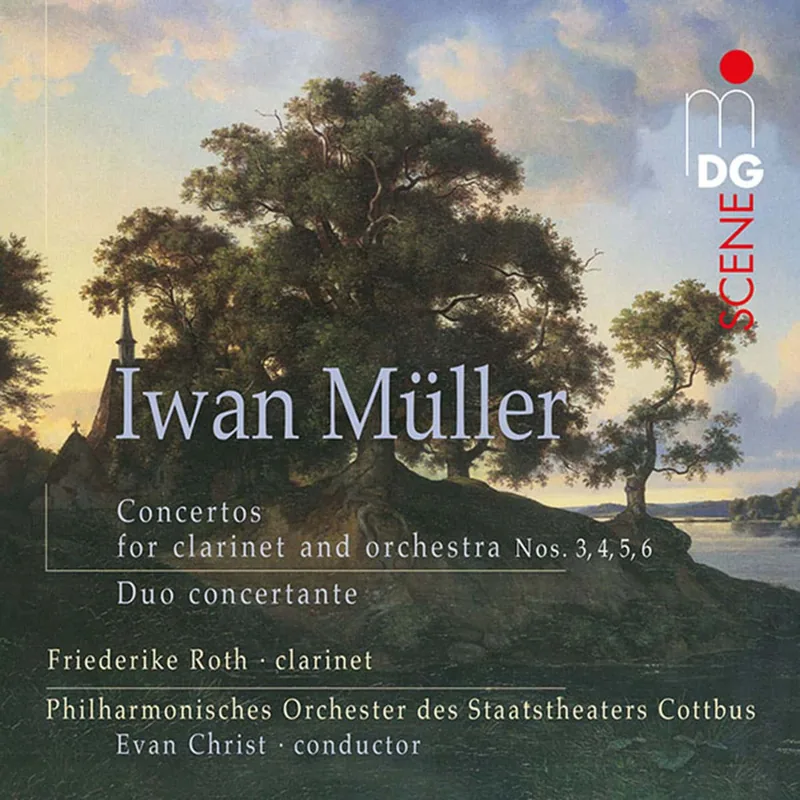
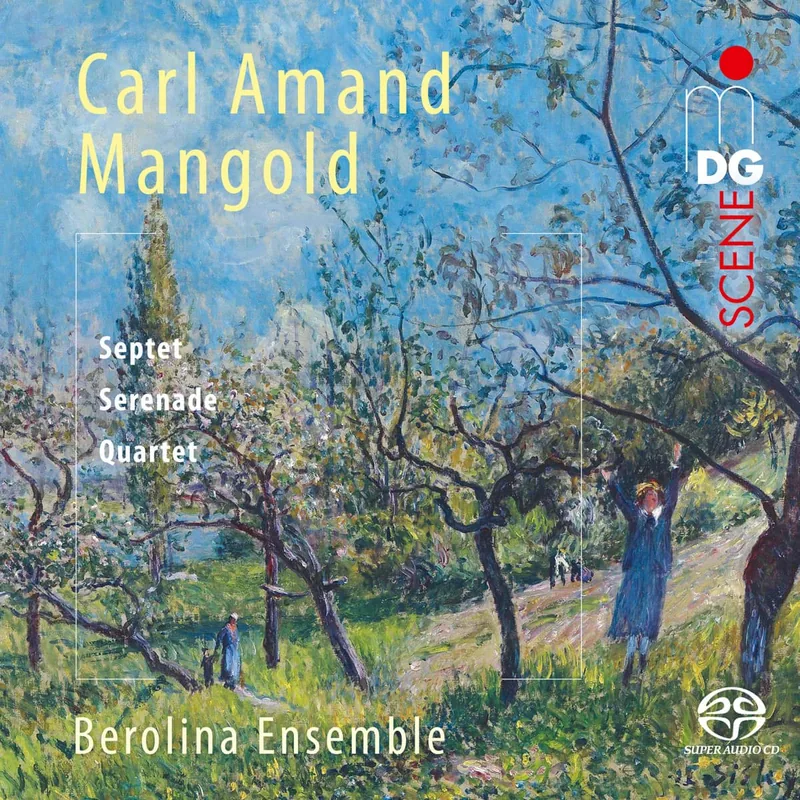
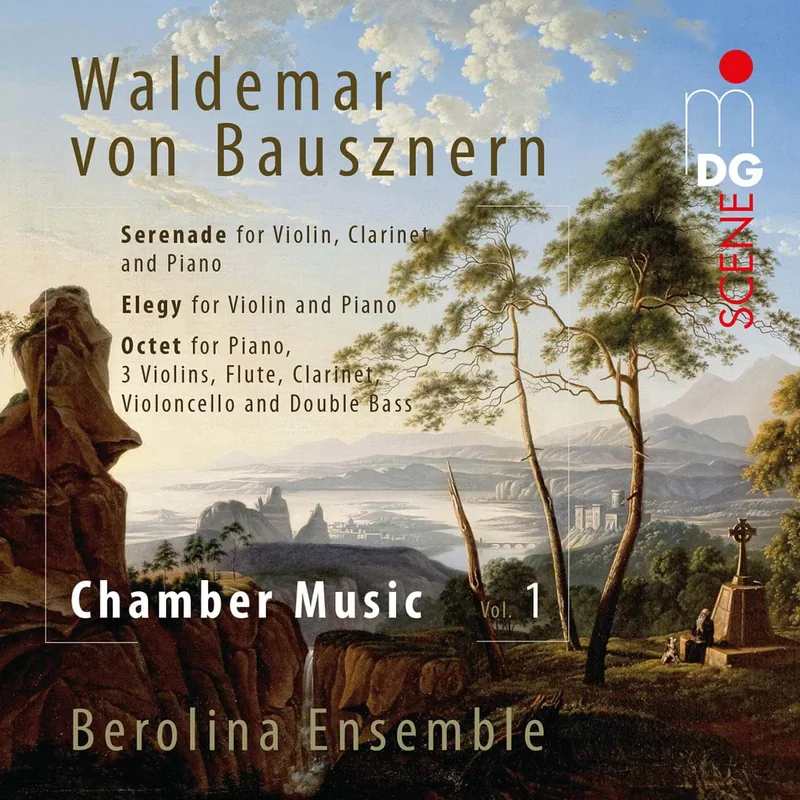
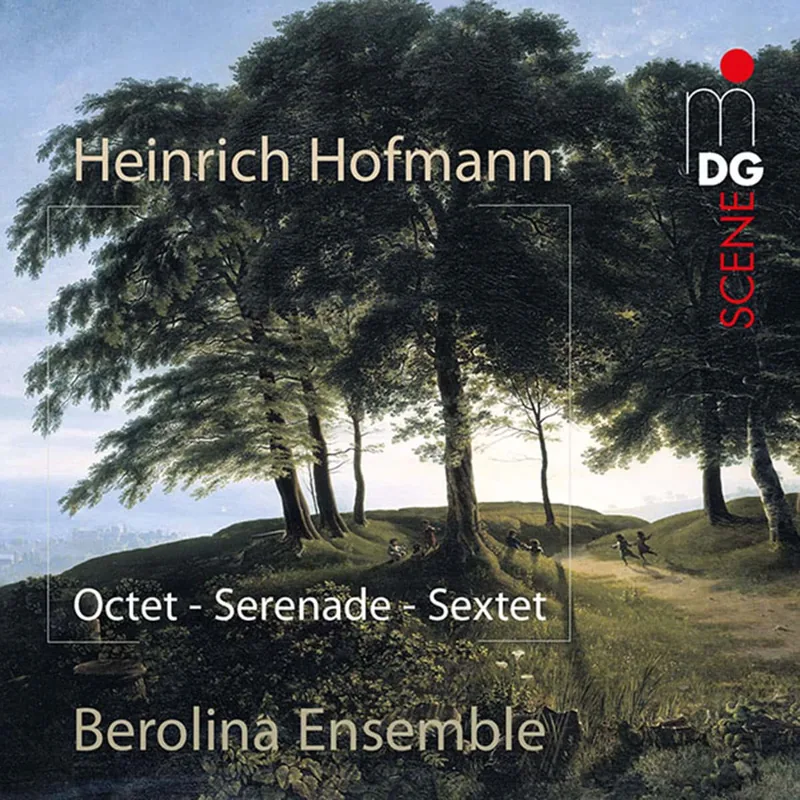
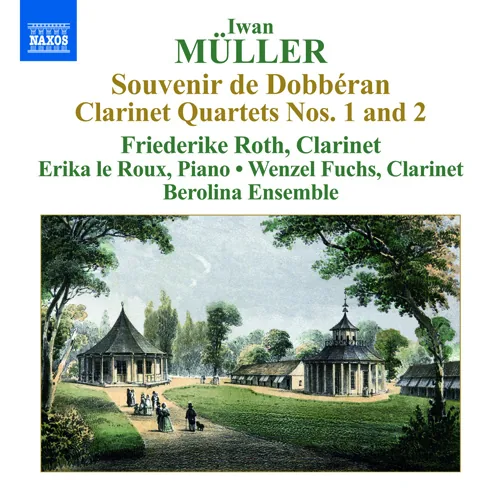
As director of the Berolina Ensemble she is dedicated to expanding the chamber music repertoire. Its recordings of chamber music by Heinrich Hofmann and Hugo Kaun earned the ensemble the ECHO Klassik 2014 as “Ensemble of the Year” and the ECHO Klassik 2016. Her recording of Iwan Müller's clarinet concertos is frequently broadcast on radio.
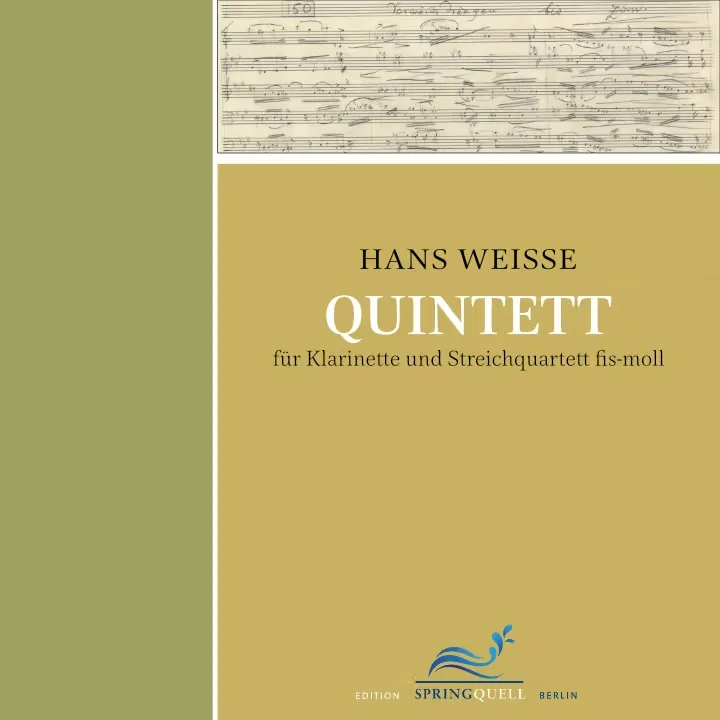
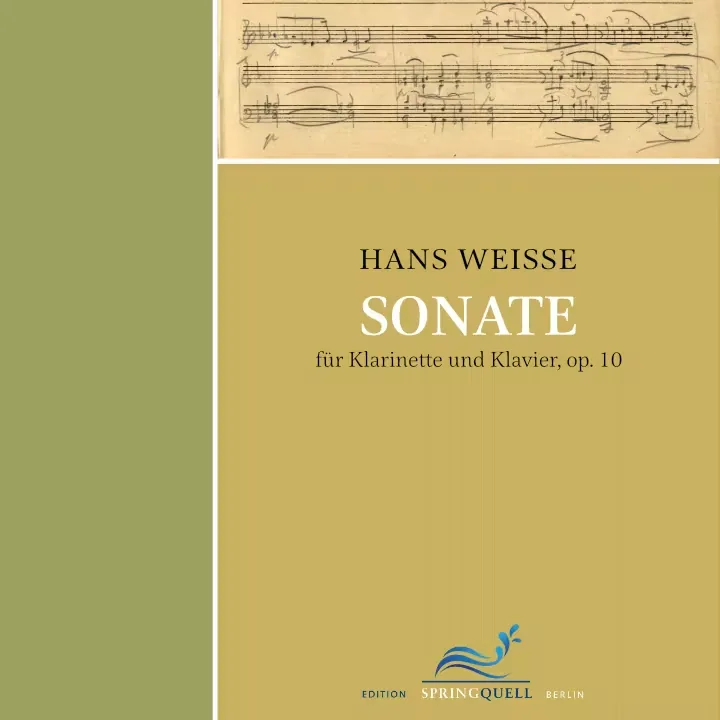
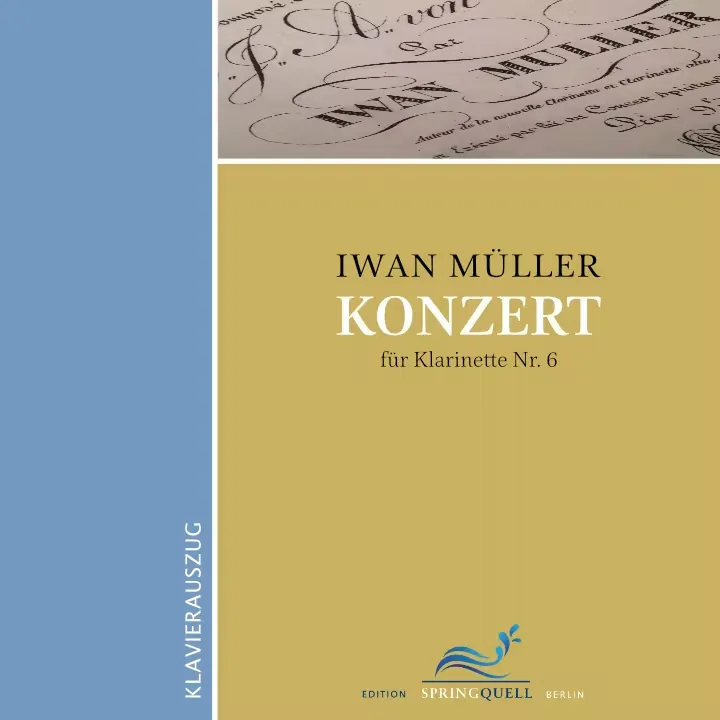
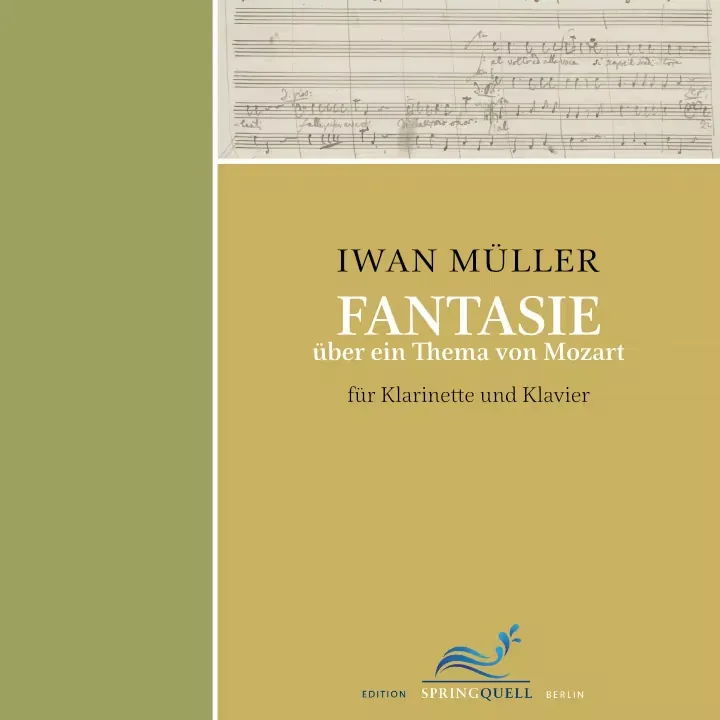
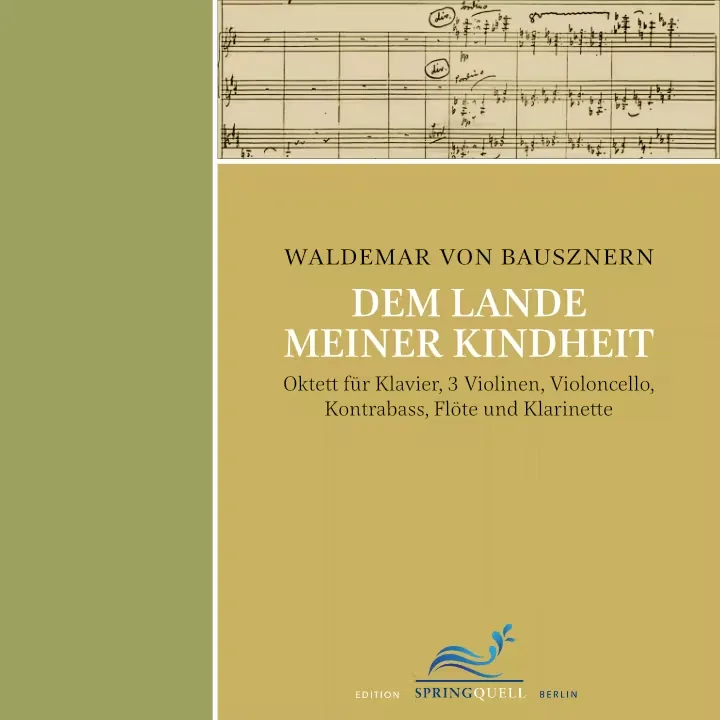
The ensemble's rediscoveries – often from manuscripts that first had to be made playable – are released on MDG and Naxos and broadcast by all major radio stations. Its Bausznern recordings won the Opus d'Or and, in 2019, the OPUS Klassik for the most innovative audio recording. So that the works can be played by others too, the ensemble founded the music publisher Edition Springquell, where Friederike Roth edits works by Iwan Müller and Hans Weisse, among others.
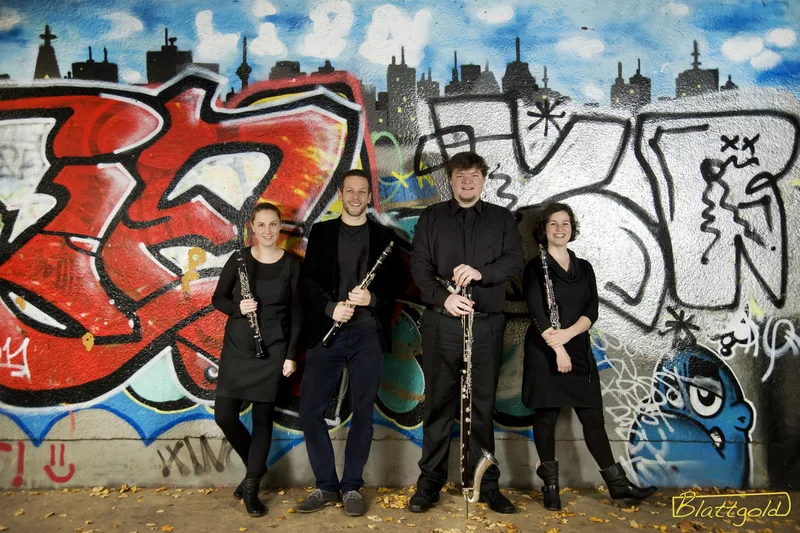
With the Berlin clarinet quartet Blattgold – from E flat clarinet to basset horn – she played everything from Bach to Gershwin, tango and klezmer; in 2010 the quartet won third prize and the special prize for best interpretation at the Alice Samter Chamber Music Competition.
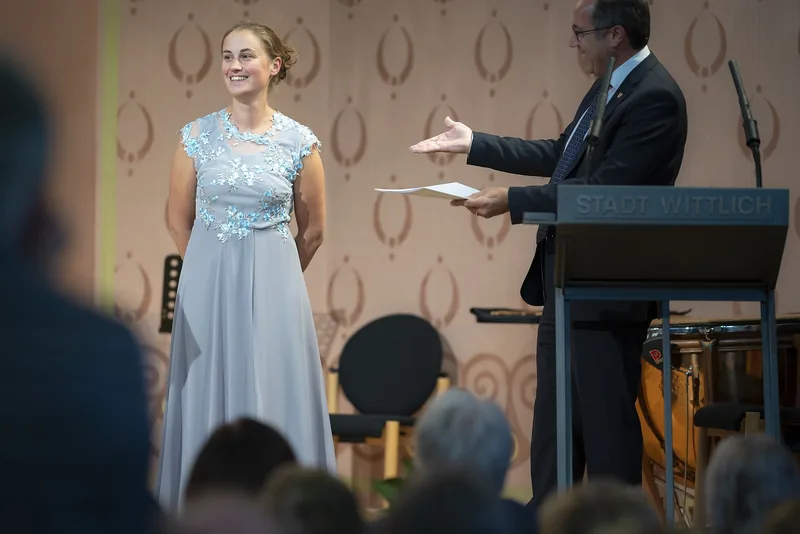
In 2018 Friederike Roth received the Culture Prize of the district of Bernkastel-Wittlich.
Friederike Roth is one of the most distinctive clarinettists of her generation in Germany. She directs the Berolina Ensemble, with which she has released numerous award-winning premiere recordings, and teaches clarinet, woodwind chamber music and methodology at the Berlin University of the Arts.
Friederike Roth is one of the most distinctive clarinettists of her generation in Germany. Alongside her work as a soloist and in various ensembles, she teaches clarinet, woodwind chamber music and clarinet methodology at the Berlin University of the Arts.
She trained with renowned teachers including Ralph Manno, François Benda, Karl-Heinz Steffens and Karl Leister, and complemented her concert diploma in clarinet with a master's degree in chamber music under Eberhard Feltz. While still at school she was a member of the National Youth Orchestra of Germany; she continues to perform with symphony and opera orchestras.
As director of the Berolina Ensemble she is dedicated to expanding the chamber music repertoire. Its recordings of chamber music by Heinrich Hofmann and Hugo Kaun earned the ensemble the ECHO Klassik 2014 as “Ensemble of the Year” and the ECHO Klassik 2016. Her recording of Iwan Müller's clarinet concertos is frequently broadcast on radio.
The ensemble's rediscoveries – often from manuscripts that first had to be made playable – are released on MDG and Naxos and broadcast by all major radio stations. Its Bausznern recordings won the Opus d'Or and, in 2019, the OPUS Klassik for the most innovative audio recording. In 2018 Friederike Roth received the Culture Prize of the district of Bernkastel-Wittlich.
So that the rediscovered works can be played by others too, the ensemble founded the music publisher Edition Springquell, where Friederike Roth edits works by Iwan Müller and Hans Weisse, among others. The ensemble also helped establish the Bausznern archive at the Akademie der Künste in Berlin.
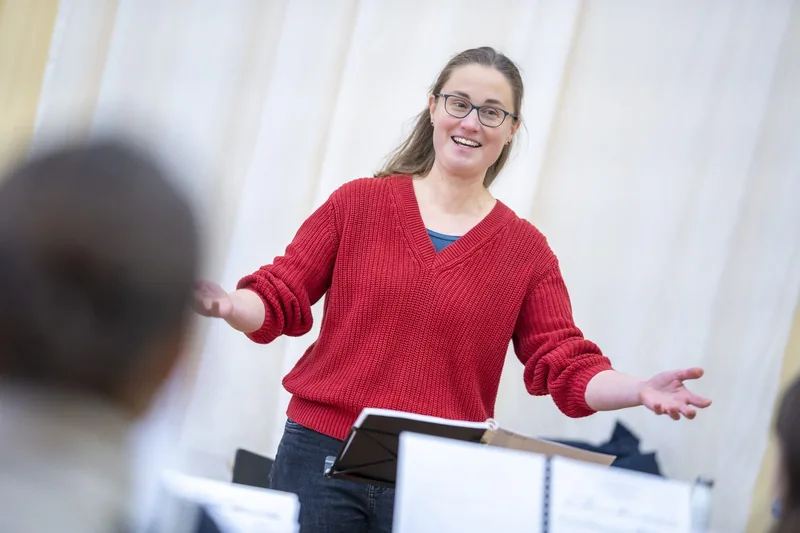
As a teacher she passes on her experience at the UdK Berlin, with the Junge Philharmonie Brandenburg and in masterclasses.